
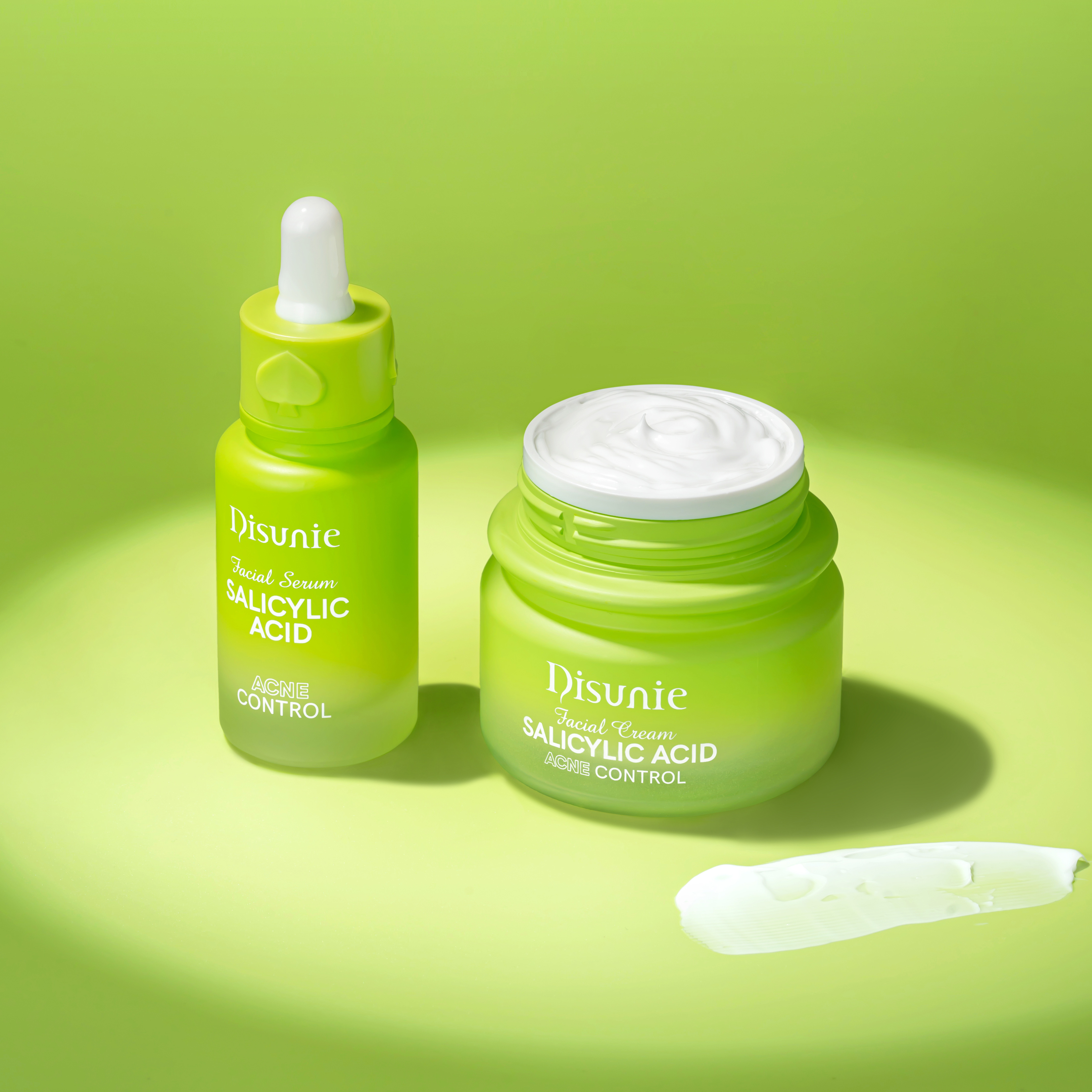
Transform Your Skincare Routine with a Glycolic and Lactic Acid Cleanser
Apr 16,2026


Transform Your Skincare Routine with a Glycolic and Lactic Acid Cleanser
In the ever-evolving world of skincare, it’s essential to stay ahead of the curve by incorporating effective ingredients that promote healthy, glowing skin. Glycolic and lactic acid cleansers have emerged as game-changers for those seeking smoother, more radiant complexions. This in-depth article will explore the myriad benefits, applications, and considerations surrounding these acids, equipping you with the knowledge needed to transform your skincare routine.
Table of Contents
- 1. Introduction to Glycolic and Lactic Acids
- 2. Benefits of Glycolic Acid in Skincare
- 3. Benefits of Lactic Acid in Skincare
- 4. How Glycolic and Lactic Acid Work
- 5. Choosing the Right Glycolic and Lactic Acid Cleanser
- 6. How to Use a Glycolic and Lactic Acid Cleanser Effectively
- 7. Common Myths About Acid Cleansers Debunked
- 8. Frequently Asked Questions
- 9. Conclusion
1. Introduction to Glycolic and Lactic Acids
Glycolic acid and lactic acid belong to a family of compounds known as alpha-hydroxy acids (AHAs). These naturally occurring acids are renowned for their ability to exfoliate the skin, revealing a fresh, rejuvenated layer beneath. Glycolic acid is derived from sugar cane, while lactic acid is typically sourced from milk. Both acids are celebrated for their gentle yet effective properties, making them suitable for various skin types.
2. Benefits of Glycolic Acid in Skincare
Glycolic acid offers a wide range of benefits, making it a popular choice for many skincare enthusiasts. Here are some key advantages:
2.1 Exfoliation and Cell Renewal
The primary benefit of glycolic acid is its ability to exfoliate the skin by loosening the bonds between dead skin cells. This process encourages cell turnover, revealing fresher, healthier skin underneath. Regular use can help reduce the appearance of fine lines, wrinkles, and uneven skin texture.
2.2 Improved Skin Tone and Texture
Glycolic acid can effectively fade dark spots and hyperpigmentation, leading to a more even skin tone. This acid works by inhibiting the enzyme tyrosinase, which is responsible for melanin production. Over time, users can expect smoother, brighter skin.
2.3 Acne Treatment
For those struggling with acne, glycolic acid can be a valuable ally. By exfoliating the skin and preventing clogged pores, it helps reduce breakouts. Additionally, its anti-inflammatory properties can soothe existing blemishes.
2.4 Enhanced Absorption of Skincare Products
Using a glycolic acid cleanser can improve the absorption of subsequent skincare products. By removing dead skin cells and debris, the skin is better prepared to receive serums, moisturizers, and treatments, maximizing their effectiveness.
3. Benefits of Lactic Acid in Skincare
Lactic acid, while similar to glycolic acid in terms of its exfoliating properties, also offers unique benefits:
3.1 Hydration and Moisture Retention
One of the standout features of lactic acid is its ability to hydrate the skin. Unlike some exfoliants that can lead to dryness, lactic acid attracts moisture to the skin, promoting a plump, dewy appearance.
3.2 Gentle Exfoliation
Lactic acid is milder than glycolic acid, making it an excellent option for sensitive skin. It effectively exfoliates without causing irritation, making it a suitable choice for those new to acid-based cleansers.
3.3 Anti-Aging Benefits
Like glycolic acid, lactic acid can help reduce the appearance of fine lines and wrinkles. Its ability to boost collagen production contributes to a firmer, more youthful complexion.
3.4 Improved Skin Radiance
Regular use of lactic acid can result in a brighter, more radiant complexion. By promoting cell turnover and hydration, this acid helps skin reflect light more effectively, creating a healthy glow.
4. How Glycolic and Lactic Acid Work
Glycolic and lactic acids work by breaking down the bonds that hold dead skin cells together on the surface of the skin. This process allows for easier exfoliation and stimulates the production of new skin cells. Both acids penetrate the skin at different depths; glycolic acid, being the smallest molecule, penetrates more deeply than lactic acid, providing immediate results.
When applied as part of a cleanser, these acids work effectively to cleanse the skin while also providing exfoliation. The dual-action of cleansing and exfoliating helps improve overall skin texture, unclog pores, and reduce the appearance of blemishes.
5. Choosing the Right Glycolic and Lactic Acid Cleanser
When selecting a glycolic or lactic acid cleanser, it’s crucial to consider several factors:
5.1 Skin Type
Understanding your skin type is vital in choosing the right cleanser. For sensitive skin, opt for a lactic acid cleanser with a lower concentration to avoid irritation. Those with oily or acne-prone skin may benefit more from a glycolic acid cleanser.
5.2 Concentration Levels
The concentration of glycolic or lactic acid in a cleanser can range from 5% to 20%. Beginners should start with a lower concentration to gauge skin tolerance before gradually increasing it.
5.3 Additional Ingredients
Look for cleansers that include soothing ingredients like aloe vera, chamomile, or hyaluronic acid. These ingredients can help counteract potential irritation caused by the acids.
5.4 Product Formulation
Consider the formulation of the product, whether it’s a gel, cream, or foam. Different formulations may suit different preferences and skin types. A gel may be better for oily skin, while a cream may be more hydrating for dry skin.
6. How to Use a Glycolic and Lactic Acid Cleanser Effectively
To maximize the benefits of glycolic and lactic acid cleansers, follow these steps:
6.1 Patch Test
Always perform a patch test to check for any adverse reactions. Apply a small amount of the product on your inner arm and wait 24 hours to see if any irritation occurs.
6.2 Cleanse Twice Daily
For optimal results, use the cleanser twice daily—once in the morning and once at night. This routine helps maintain a fresh and clear complexion.
6.3 Follow with a Moisturizer
After cleansing, apply a hydrating moisturizer to lock in moisture. This step is crucial, especially for those using glycolic acid, as it can lead to dryness if not followed by proper hydration.
6.4 Use Sunscreen
Both glycolic and lactic acid can make your skin more sensitive to the sun. Always apply a broad-spectrum sunscreen during the day to protect your skin and prevent sun damage.
7. Common Myths About Acid Cleansers Debunked
Despite their popularity, several myths surround the use of glycolic and lactic acid cleansers:
7.1 Myth: Acid Cleansers Are Only for Oily Skin
Many believe that acid cleansers are exclusively for oily skin. However, both glycolic and lactic acid can benefit all skin types when used correctly.
7.2 Myth: Acid Cleansers Cause Excessive Dryness
While some acids can be drying, many formulations include hydrating ingredients to combat this effect. Look for products with added moisture to maintain skin balance.
7.3 Myth: You Should Feel a Stinging Sensation
A mild tingling sensation is normal, but excessive stinging or burning indicates a reaction. If this occurs, discontinue use and consult a dermatologist.
8. Frequently Asked Questions
8.1 Can I use glycolic and lactic acid cleansers together?
Yes, you can use both types of cleansers in your routine. However, it’s advisable to alternate between them rather than using both at the same time to prevent irritation.
8.2 How often should I use these cleansers?
Start by using the cleanser twice a week and gradually increase to daily use as your skin acclimatizes. Listen to your skin and adjust frequency as needed.
8.3 Are there any side effects to using acid cleansers?
Some users may experience mild irritation, redness, or dryness. If these symptoms persist, reduce usage or consult a skincare professional.
8.4 Can I use acid cleansers if I have sensitive skin?
Yes, but it’s essential to choose a lactic acid cleanser, which is gentler than glycolic acid. Always start with lower concentrations and perform a patch test.
8.5 Should I avoid using retinol with acid cleansers?
Combining retinol and acid cleansers can lead to increased sensitivity. If you use both, alternate their use to avoid irritation.
9. Conclusion
Incorporating glycolic and lactic acid cleansers into your skincare routine can yield remarkable benefits, promoting smoother, more radiant skin. By understanding the unique properties of these acids and how to use them effectively, you can transform your complexion and achieve the healthy glow you desire. Always remember to tailor your routine to your skin type, start slowly, and enjoy the transformative journey toward clearer, healthier skin.
Latest News






GET A FREE QUOTE